5 Tips for Safe & Responsible Mermaiding
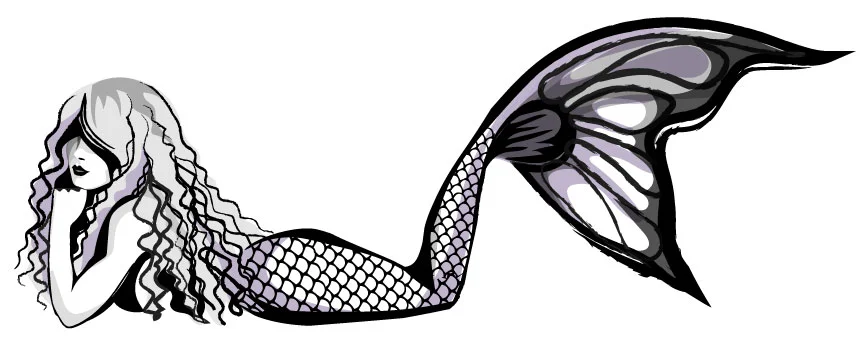
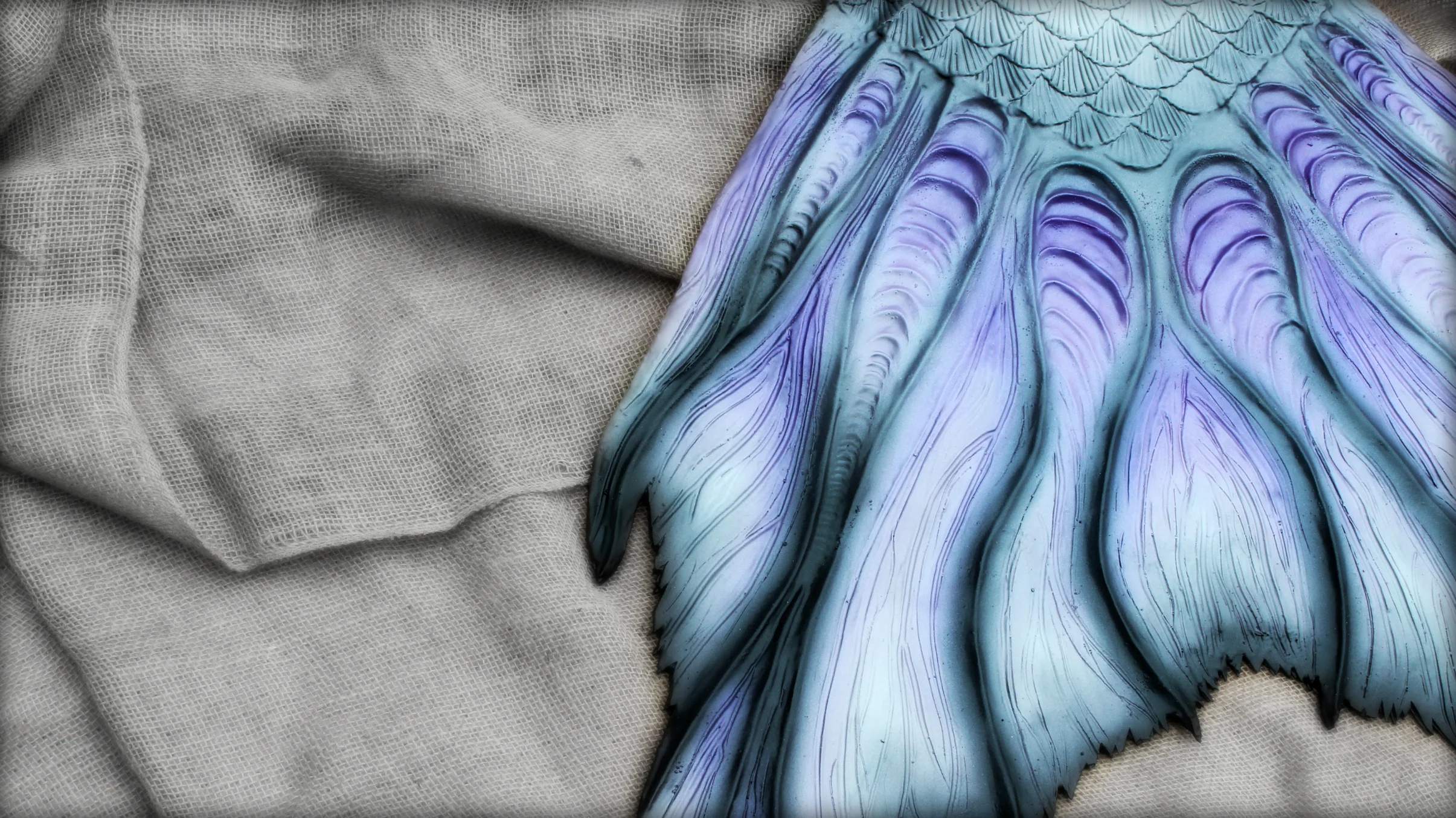
Mermaiding is becoming an increasingly popular sport, hobby and profession. With more and more people joining the mermaid community each year, the chances of someone getting hurt (or causing harm to another creature or ecosystem) does go up! So let’s take a minute to review some basic mermaid swimming safety and responsible swimming practices so that mermaiding can remain as safe and as magical as possible!
The Importance of Cleaning & Drying your Gear
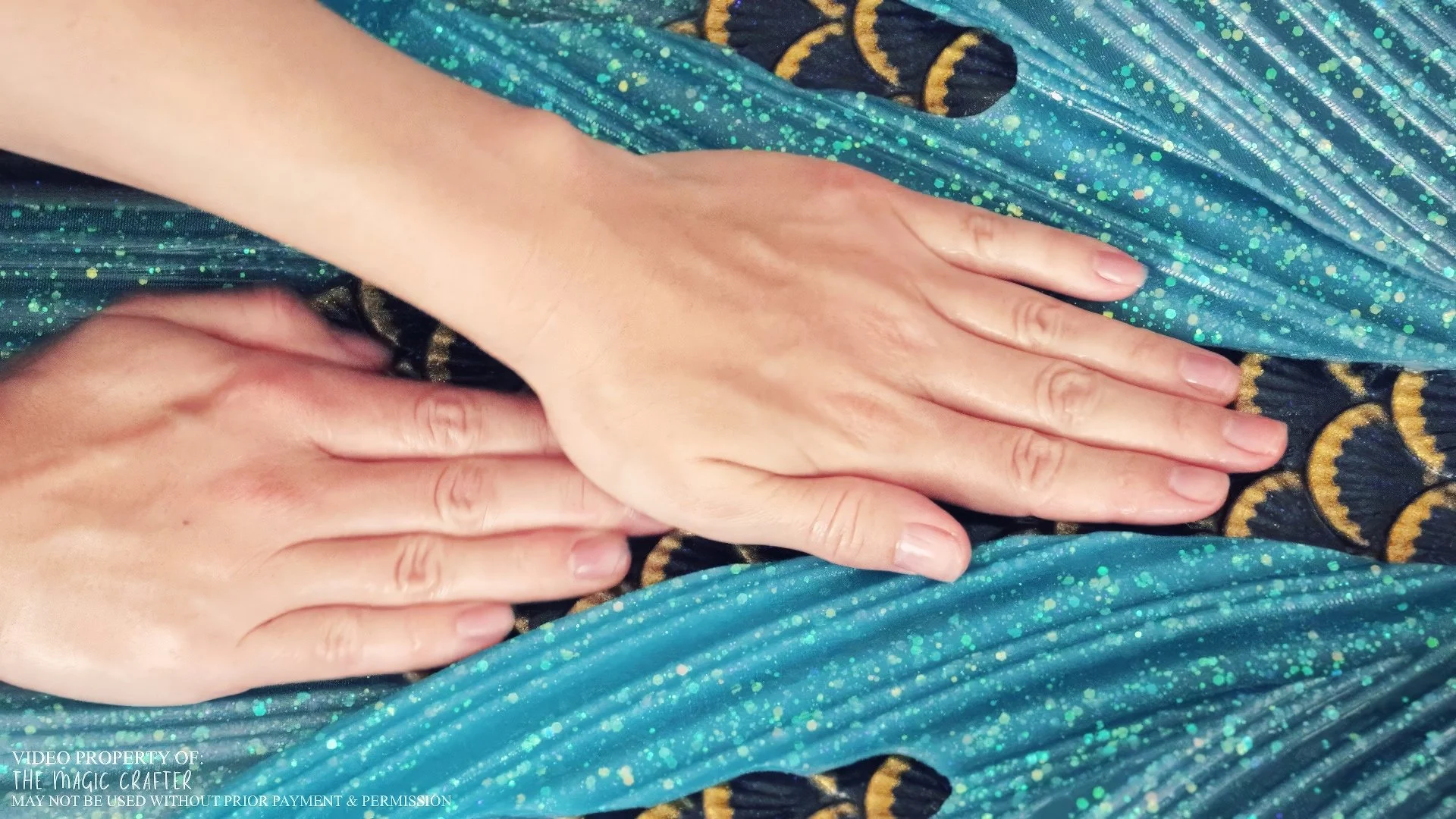
Most of us know that if we don’t clean and dry our mermaid tails that we can end up ruining our mermaid tails. But did you know that you could be damaging more than just your mermaid tail if you fail to care for your swimming equipment?
If you enjoy swimming in natural bodies of water, such as lakes, rivers, ponds, oceans, springs or seas, it is critical that you clean and dry all of your gear before your next swim. Why? Because even the smallest drop of contaminated water can introduce aquatic hitchhikers, such as zebra mussels and other invasive creatures, to the next place you swim. According to the Cary Institute, a few drops of contaminated water can carry dozens of microscopic zebra mussel babies, and each female zebra mussel can produce up to 1 million eggs per year and can live for up to 5 years.
Let’s pretend that you swam in Lake Michigan (an area now teaming with zebra mussels and quagga mussels) and don’t feel like cleaning your mermaid tail… after all, you’re tired and you’ll be swimming with it again tomorrow anyway at your grandma’s lake-front property (which we’ll say is on a small inland lake). Tomorrow arrives and you dive into the water of you’ve been swimming in since you were a little kid, but this time, you’ve brought some friends with you… 12 invisible zebra mussel babies nestled inside your mermaid tail. You have a great swim and make some wonderful memories! A few years later you come back to enjoy the lake again, but some things have changed. The shoreline is littered with tiny shells, the neighbor’s boat is clogged up with mussels and there seems clearer than you remember (but somehow looks more “dead”). You go out for a swim and return with cuts all over your hands and deep gashes in your mermaid tail. Your childhood swim spot has now been overtaken by an invasive creature.
While this may seem like an exaggeration, it actually isn’t. Invasive flora and fauna can change the entire landscape of a natural area in the blink of an eye… whether it’s zebra mussels, sea lamprey, frogbit (a plant) or any number of other things.
Please be responsible and thoroughly clean and dry ALL of your swimming gear (and yourself) before going from one natural body of water into another natural body of water.
Knowing Where to Wear Sequin Mermaid Tails

Want to get this mermaid tail? Here’s the discount code: HNC2VX58 and here’s the link: https://www.dongfangjiao.com/product/crystal-sequin-hot-foil-stamping-mermaidtail/
There are many different types of mermaid tails available for sale nowadays, and while all mermaid tails you use in the water should be swimmable, not all of them are appropriate to use in all situations. Sequin mermaid tails are among some of the most visually stunning tails on the market- they shimmer and shine in a way that no other tail type does! However, they also notoriously shed sequins… everywhere.
While sequin mermaid tails are great for use in pools and on land for indoor events, please refrain from using them in natural bodies of water. Not only will sequins pollute a natural area, but they can also endanger the creatures that call that area home! Fish love shiny things and will certainly be tempted to eat plastic sequins, which could damage or kill the fish. In time, the sequins can also contribute to microplastics in nature, so please take this into consideration before taking a sequin tail out into the wild waters!
Using the Right Mermaid Tail & Gear For You

There is a saying in the mermaid community that goes “no dead mermaids.” That sounds a little dark, but in truth, mermaiding can be a risky thing to do! So how can we stay safe as it relates specifically to mermaiding? Here are a few ways you can ensure that you’re as safe as can be when swimming as a mermaid:
Know how to swim well in a monofin (if you don’t know how to, you can consider taking a course)
Know how to use your gear properly
Ensure that the monofin you use is compatible with the mermaid tail you’re wearing
Ensure that the monofin, tail and gear that you’re wearing are suitable for the environment you’re swimming in (ex: fishnet + wooded swim area = no)
Never swim alone
Never swim in areas above your experience levels
Never swim in dangerous conditions
Know the signs of hypothermia (and honor your body’s needs)
Don’t swim if you are exhausted or unwell
Don’t push your limits
Consider taking freediving courses if you plan on expanding your breath hold or diving deep
Safe Swimming Practices in Open Water
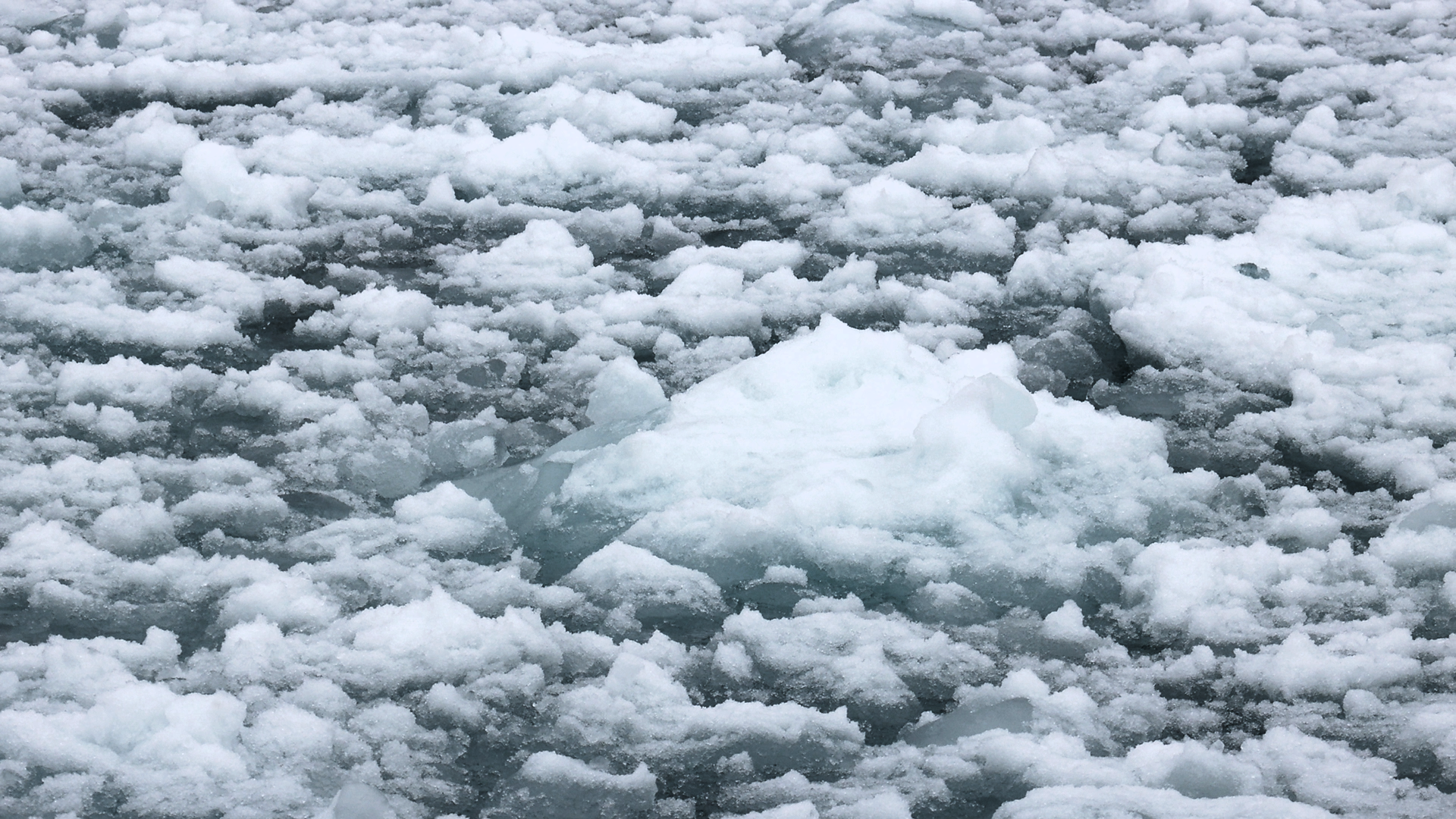
Not all merfolk swim in pools- some of us prefer swimming in open bodies of water, such as oceans, lakes, rivers and the like. If you’re that kind of mermaid too, you should be aware that there are unique hazards that come with open water swimming and freediving. While I can’t provide you with all of the answers or all of the details for staying safe in each situation, I’ll do my best to give you an overview (but will leave the deeper diving to you).
Dangerous Animals & Plants: Depending on where you swim, you may be at risk of coming into contact with plants or animals that could pose as a threat to your safety. While you can’t control what an animal (including insects) may do or what plants grow in or around the water, it is a good idea to familiarize yourself with local flora and fauna and take the time to learn the best practices for avoiding and/or dealing with them. Don’t just think sharks and jellyfish, but unleashed beach dogs, ticks, poison ivy, lamprey, cyanobacteria algae and other less obvious beings.
Dangerous Microorganisms: Depending on where you swim, you may be at risk of encountering dangerous microorganisms such as brain eating amoeba, E. Coli, Giardia, Vibro Bacteria and so on. While most of these are not common, E. Coli infections are quite easy to get if you aren’t careful. As a general rule of thumb, avoid swimming for at least 24 hours after a rainstorm, don’t swim in warm freshwater lakes, avoid swimming with open wounds, try your best not to suck water down your nose (especially in high silt areas) and observe red flag warnings. In truth, you can only do so much to prevent issues with microorganisms. To an extent, it kind of just comes down to luck. So be careful, research what could dwell in the water you plan to swim in, and do your best to avoid contracting a nasty (and sometimes deadly) bug. Also, it probably goes without saying, but DON’T DRINK THE WATER.
Dangerous Contaminants: Not everyone cares as much about our natural water as us merfolk do. If you want to swim in natural bodies of water, be vigilant of water contamination. As a best practice, avoid swimming if you see a thick, dense white foam on top of the water, as this can indicate a recent chemical spill, including harmful PFAs. Do not swim if you see signs of an oil spill (an oily rainbow layer on the surface of the water) or if there are any claims in the news about chemical spills or sewage spills in your swimming area. Furthermore, be on the lookout for signs posted stating recent water treatment, as some areas will chemically treat the water to help eliminate problematic plants or creatures.
Avoid Dangerous Conditions: While you probably already know this, rip tides and strong currents can be deadly! Please do not swim if there is a red flag warning posted, if the waves are larger than normal or in areas that are known to have strong currents (sometimes there will be signs warning you of this). It is generally recommended to avoid swimming near a breakwall, since they can cause currents. Furthermore, please do not swim in a marina, as they may not only electrically shock you, but often have some sewage and oil residue floating around too. If you plan to swim under a bridge, be aware of stray fish hooks and fishing line… they are a real problem and fishing hooks HURT to remove! To add to all of this, don’t swim in water that is too cold for safe swimming- even mermaids and mermen can get hyopthermia!
Leave The World More Magical Than You Found It

For our last of the “mermaiding best practices,” we have a super easy one. Simply, I encourage you to leave the world a more magical place than when you found it. This can mean taking the time before or after your swim to take that plastic cup that’s blowing around on the beach and putting it in the recycle bin (or trash can). This could mean giving a wave to the kiddo who has been staring at you since you got into the water. This could also mean helping to free a turtle from some fishing line (if it is safe for you to do so) or simply having such an amazing time soaking up the joy of mermaiding that the world feels more magical to you. As with any hobby/sport/profession that has a lot of publicity and a large community, it can be easy to get caught up in the business, social media or competition side of mermaiding. Please do me (and yourself) a favor and have some fun. Don’t let the magic of mermaiding slip out of your hands. With each swim, I hope you’ll ooze with a very contagious happiness that makes the world around you brighter… even if just for a moment.
Happy swimming, my friends!
If you’re new to mermaiding and are interested in finding out where you can get a mermaid tail, please feel free to check out my mermaid tail unboxing playlist below.
Affiliate Disclosure: The Magic Crafter is an Affiliate of Dong Fang Jiao. By using my discount code HNC2VX58 to save on your order, I may earn a commission at no extra cost to you. Thanks for your support!
